You no longer have a choice on what type of light bulb to buy. LEDs have taken over the field of lighting. Costs have come down, efficiency has improved and reliability is much better. But there are also some drawbacks to be aware of. One is determining when to replace an LED bulb because they rarely burn out.
When to Replace Your LED Bulbs
Download the following PDF to learn how to test them and get my recommendations on replacing them.
MR16 Light Bulbs and Fixtures
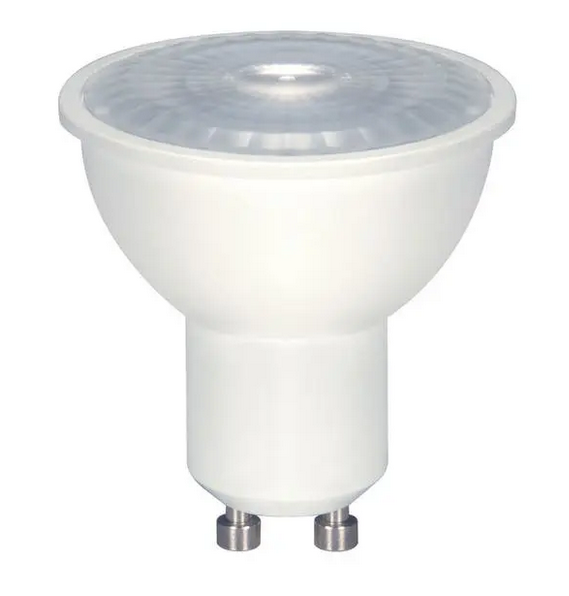
These small spotlights have their origin in halogen lights first used in art galleries and jewelry stores. When LED lights came along, a low voltage version was developed that required a 12 VAC transformer. These were distinguished by a plug in pin connection on the base named GU5.3 where the 5.3 refers to the pin to pin distance in mm. As LED drive electronics improved, it became possible to eliminate the external transformer and run these bulbs directly from the 120 VAC mains. A different pin configuration known as GU10 was used for these bulbs.
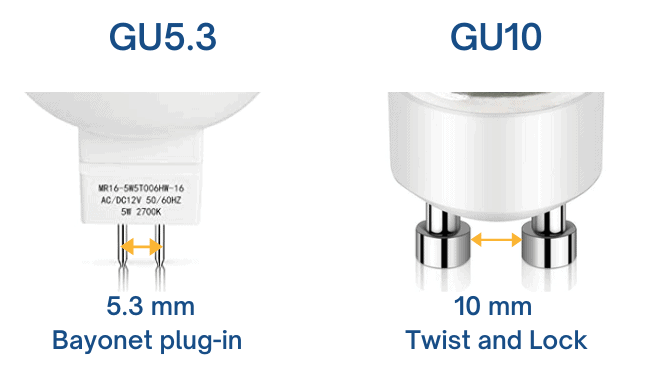
In Mexico, GU5.3 base bulbs are sold for both 12 VAC and 120 VAC use. This is very poor practice as it is easy to mix up these bulbs and blow them out if the wrong one is used. It is possible to replace the GU5.3 sockets with GU10 sockets in many MR16 fixtures, especially the ones used for recessed lighting in nichos, kitchen cabinets, etc. I recommend doing this to conform with the US standard for these bulbs.
The MR designation stems from mirrored reflector originally used on the halogen lights to control the beam width which was available in many sizes (narrow, medium and wide angles). This is now done using optical lenses in the LED bulbs, and various beam widths are still available. However most MR16 bulbs have a 20 to 30 degree beam width which is frequently not marked on the bulb or package. (The number in the MR16 refers to the maximum diameter of the bulb in 8ths of an inch. It is always 16/8 = 2 inches at the rim).
MR16 bulbs are very useful for use as overhead spotlights, wall washes, or accent lighting. Fixtures are sold that hold 1 through 4 bulbs and allow individual aiming. But installing an MR16 bulb with a GU10 base can be a challenge. The base pins must be perfectly aligned with the mating socket connectors before they can be inserted and rotated into the locked position. Most fixtures are designed to look good but make this a very difficult task. The sockets are not tapered to provide for self alignment and the covers are trumpet shaped so as to make fitting the bulb a blind operation. Worse yet, many of these fixtures are designed to completely cover the outside of the bulb when it is in place. So there is nothing to hold on to when installing or removing the bulb!
When selecting an MR16/GU10 fixture, look for one that leaves at least 1/4 inch of the bulb extending beyond the cover. Here are examples of good and bad fixture design.

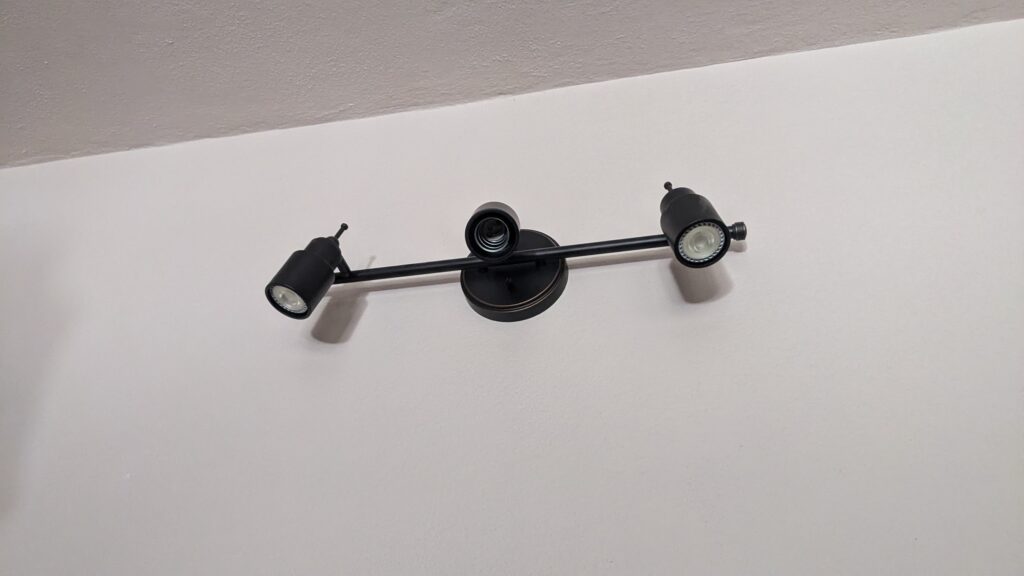
The second example shows a fixture which is guaranteed to frustrate you while standing on a step ladder changing the bulbs. If you have one of these, it might be easier to simply replace it with one designed with the user in mind. For example, Home Depot sells an inexpensive 4-light version that leaves the ends of the bulbs extended. But most of their fixtures make installation a pain. (If you get the halogen fixture, be sure to throw away the halogen bulbs immediately as they look identical to LEDs.)
You can also modify a fixture by using an angle grinder or similar tool to cut back the length of the bulb covers. Mark the cover first with a scribe. I used a pair of calipers set at 1/2 inch. The following photos show the sequence.

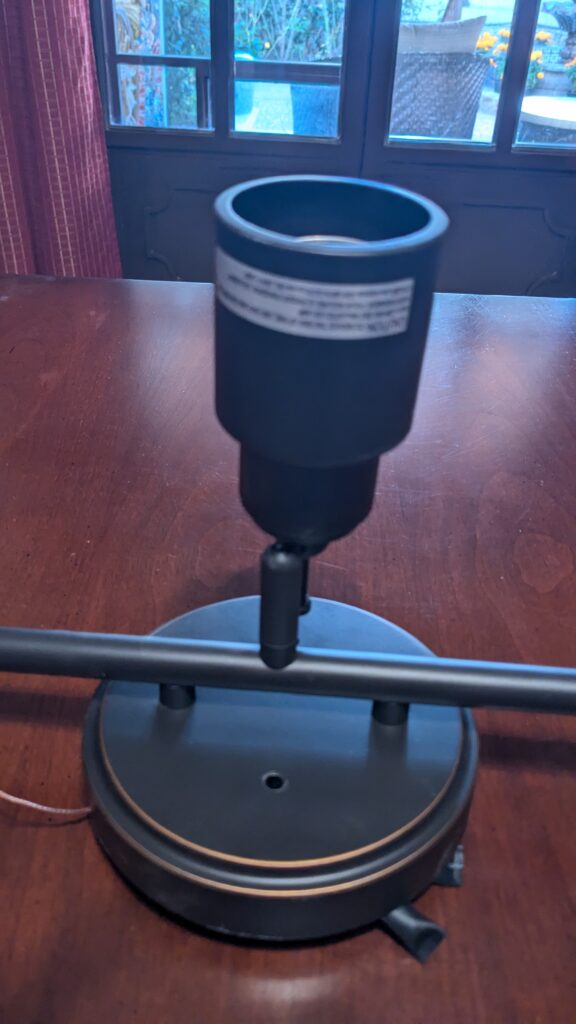
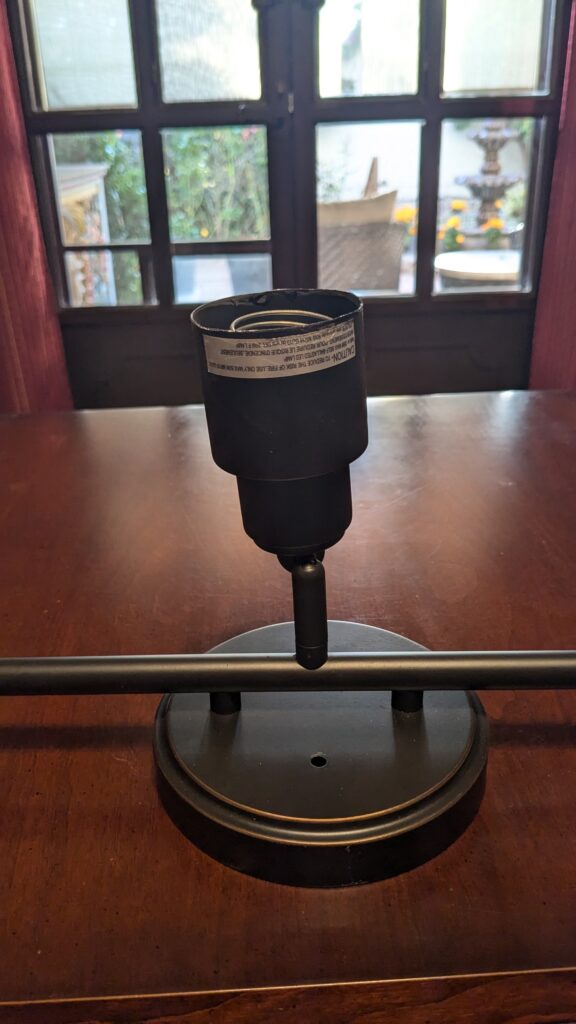
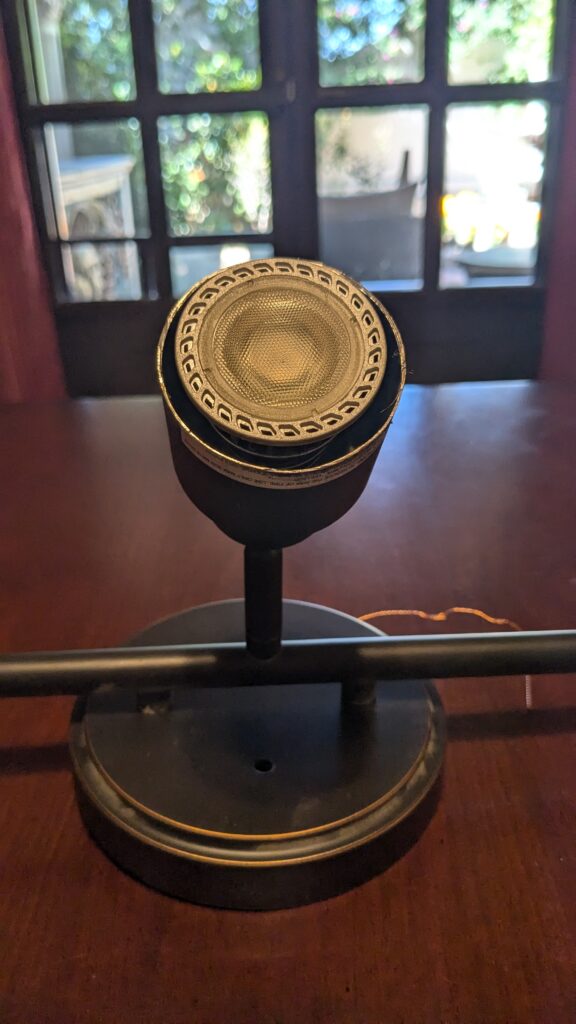
The first two photos show one of the holders before the modification and the second two show it afterwards.